
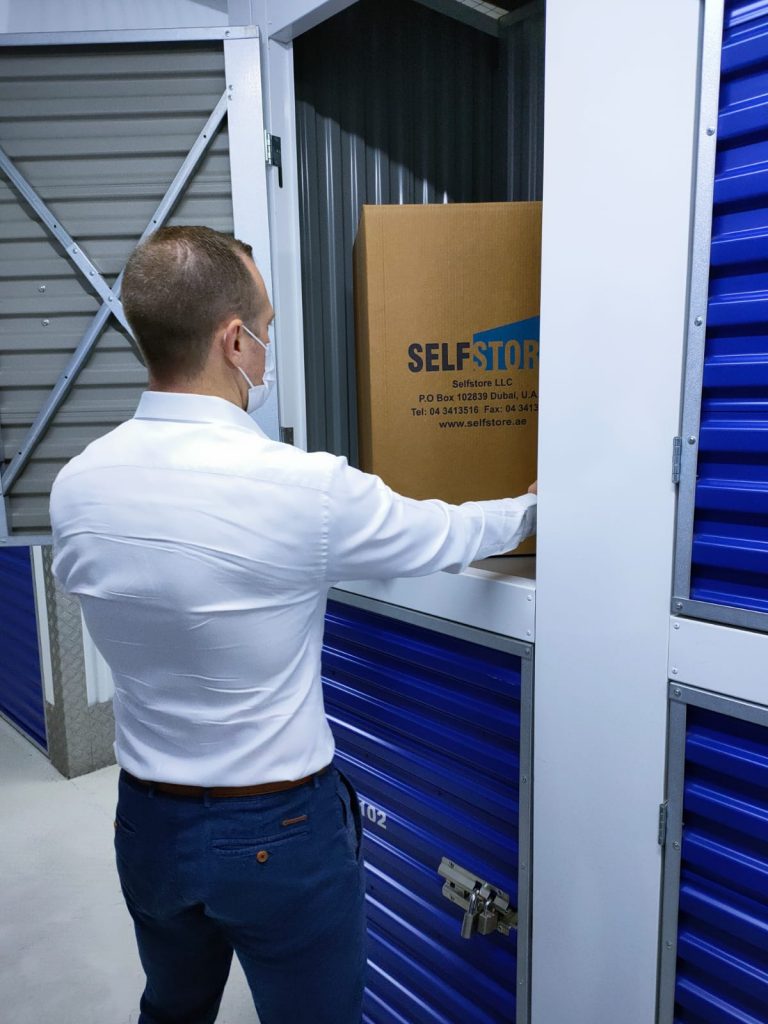
Busy schedules, home renovations, relocations, and sudden space shortages often leave belongings without a suitable place. A storage unit offers a practical solution when you need extra room for a limited time.
Before signing a rental agreement, review the unit size, security features, access hours, pricing, and storage rules. A simple checklist helps you choose short term storage Dubai that suits your plans.
Assess your storage needs
Start by listing the items you plan to store, including furniture, cartons, appliances, seasonal decorations, and personal belongings. Estimate the total volume and separate large pieces from smaller objects. This inventory helps you select a suitable unit without paying for unused space. Leave room to arrange items neatly and retrieve specific belongings without emptying the entire unit.
Choose the right unit size
Storage facilities offer several unit sizes to accommodate different loads. A small unit suits cartons and compact household goods, while a larger space accommodates beds, sofas, desks, and appliances. Ask the facility team to explain its dimensions and suggest a suitable option based on your inventory. Compare measurements with your largest possessions before making a reservation.
Check security and cleanliness
Inspect the facility before committing to a rental agreement. Look for CCTV cameras, controlled entry, secure locks, adequate lighting, and staff presence. Check the unit for damp patches, unpleasant odors, dust, pests, and signs of water damage. Ask staff about their emergency procedures and access controls.
Review prices and rental terms
Read the agreement thoroughly before signing. Confirm the monthly rate, deposit, administrative charges, late payment fees, and any additional costs. Ask about minimum rental periods, cancellation rules, payment deadlines, and extension options. Some facilities advertise attractive introductory rates that increase later, so request a clear breakdown of the full expected cost.
Prepare belongings before storage
Clean and dry every item before packing it away. Use sturdy cartons, protective wrapping, furniture covers, and labels to identify the contents. Disassemble bulky furniture when practical, and place screws or small fittings inside labeled bags. Keep fragile objects cushioned and store heavier cartons beneath lighter ones. Avoid packing damp fabrics or placing heavy objects on delicate possessions.
Confirm access and insurance options
Check the facility’s opening hours and entry procedures, especially if your schedule changes frequently. Ask about insurance coverage, exclusions, claim limits, and protection against theft, fire, or water damage. Your existing home insurance policy may offer limited coverage, so confirm its terms with your provider.