
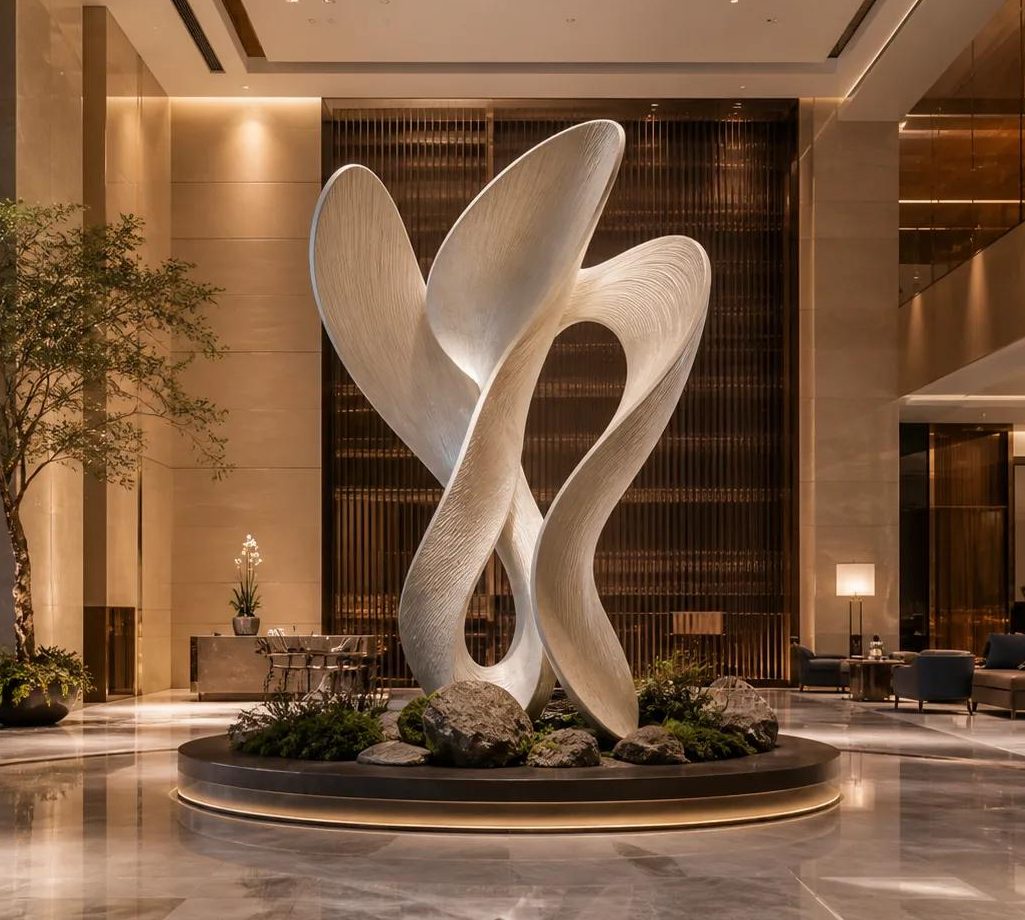
A striking outdoor sculpture can lose its beauty surprisingly quickly when exposed to relentless sunlight, heavy rain, humidity, and temperature changes. Cracking, fading, surface deterioration, and moisture damage are common concerns for artwork displayed in demanding environments.
Fiberglass sculptures offer a practical alternative because of their lightweight structure, durability, and resistance to many weather-related challenges. But what makes this material suitable for long-term outdoor displays, and what protective measures help preserve its finish?
Resistance to harsh weather
Fiberglass stands out through its ability to withstand demanding outdoor conditions. Its reinforced resin structure offers excellent durability while resisting moisture penetration. Unlike many traditional materials, fiberglass does not rust when rainwater reaches its surface.
Artists also appreciate its resistance to corrosion, making it suitable for gardens, commercial spaces, public parks, and coastal installations where environmental exposure remains constant.
Protection against sunlight and UV exposure
Direct sunlight presents a major challenge for outdoor sculptures. Extended UV exposure may cause fading, surface discoloration, and gradual deterioration. Quality UV resistant coatings help protect fiberglass surfaces against these effects.
Gel coats and specialist exterior paints provide an additional protective layer while preserving vibrant colours. Regular inspections also help owners identify minor surface changes before they develop into larger cosmetic problems.
Handling rain and humidity
Rainwater and humidity affect many outdoor decorative materials, particularly those with porous surfaces. Fiberglass offers a practical advantage because its smooth, properly sealed exterior limits water absorption.
Manufacturers also apply suitable protective finishes to reduce moisture related damage. Proper drainage around sculpture bases prevents standing water, while sealed joints help maintain structural integrity during prolonged rainy periods.
Temperature changes and structural stability
Outdoor temperatures rise and fall throughout the year, placing pressure on decorative installations. Fiberglass handles temperature variations relatively well because its composite construction combines strength with flexibility.
However, extreme heat and freezing conditions still require suitable material selection and finishing. Manufacturers consider resin quality, wall thickness, reinforcement, and installation requirements to support reliable outdoor performance.
Simple maintenance extends sculpture life
Even durable sculptures benefit from routine maintenance. Owners should clean surfaces with mild soap, water, and soft cloths to remove dust and environmental deposits. Harsh chemicals and abrasive brushes may damage protective coatings.
Periodic inspections help reveal cracks, loose fittings, faded finishes, or damaged sealants. Prompt repairs protect the underlying structure and preserve the sculpture’s original appearance.