
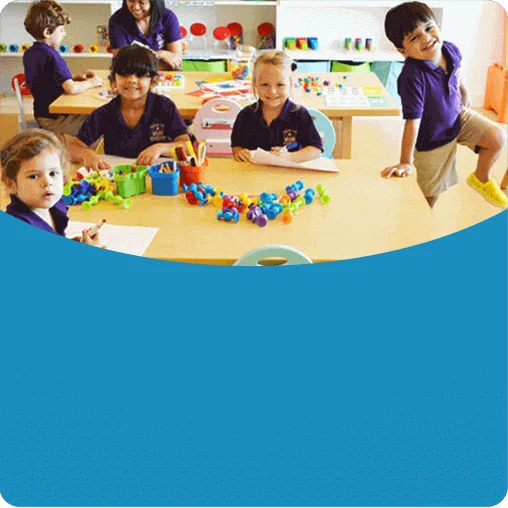
A child who hums during playtime may show musical promise, while another who sorts toys by color may enjoy patterns and detail. Small moments reveal abilities that formal lessons sometimes miss. In a nursery in Dubai, teachers watch children play, talk, build, and explore, noticing personal interests that offer clues to talents waiting to grow.
Watching children during free play
Free play gives teachers a natural view of each child’s preferences. Some pupils build elaborate towers, invent stories, organize pretend shops, or solve puzzles with patience. Teachers notice which activities hold a child’s attention and what actions come naturally. Repeated interests may point towards early strengths in creativity, problem solving, communication, or practical thinking.
Recognizing creative expression
Drawing, painting, music, and imaginative games reveal different forms of creativity. A child may use unusual colour combinations, invent characters, remember song melodies, or turn simple objects into props. Teachers observe the ideas behind each creation rather than judging the finished result. They also offer varied materials so children can experiment with different forms of expression.
Noticing early language abilities
Some children show a natural interest in words, stories, and conversation. They may remember story details, invent funny rhymes, ask thoughtful questions, or explain ideas with surprising clarity. Teachers encourage such interests through reading circles, storytelling games, and group discussions. These activities help pupils practise vocabulary while giving staff a clearer picture of communication strengths.
Spotting curiosity and problem solving
A child who asks how things work may show early scientific thinking. Teachers notice pupils who investigate objects, compare shapes, test simple ideas, or find new uses for familiar materials. Building blocks, sorting games, and nature activities offer useful opportunities to observe such habits. Staff encourage questions and give children room to explore possible answers.
Identifying social and physical strengths
Talents also appear through movement and social interaction. Some children show excellent balance during outdoor games, while others organise group play or comfort upset classmates. Teachers observe coordination, teamwork, empathy, and leadership during ordinary nursery activities. Such qualities deserve recognition alongside artistic, academic, and language abilities.
Helping every talent grow
Teachers share observations with parents and suggest enjoyable activities that support a child’s interests at home and nursery. They avoid labelling pupils too early, since young children explore many abilities as they grow. Instead, staff offer varied experiences, celebrate small achievements, and give each child room to develop confidence in personal strengths.